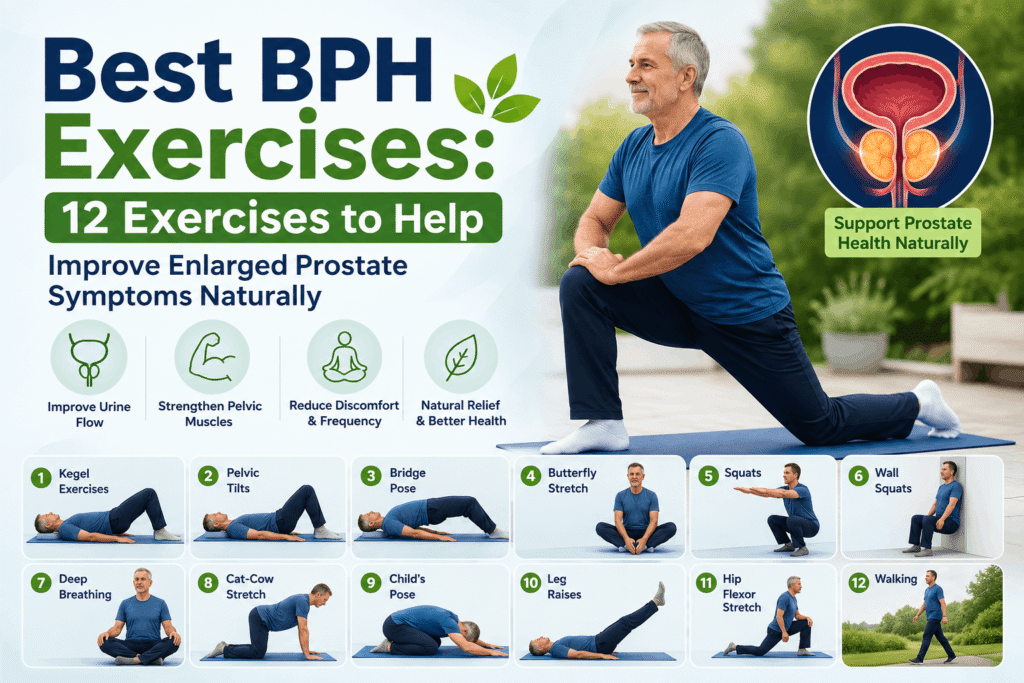
Best BPH Exercises can help improve bladder control, reduce frequent urination, strengthen pelvic floor muscles, and support better prostate health naturally. If you have Benign Prostatic Hyperplasia (BPH), adding the right exercises to your daily routine can significantly improve your quality of life.
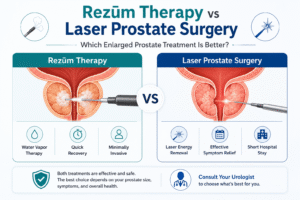
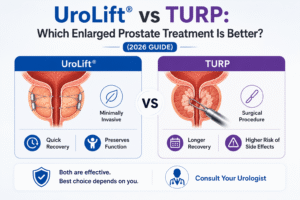
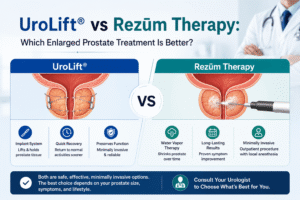
While exercise cannot shrink an enlarged prostate, regular physical activity can reduce urinary symptoms, improve blood circulation, support weight management, and complement medical treatments like UroLift, Rezūm, iTind, Laser Prostate Surgery, TURP, Aquablation, and PAE.
In this guide, you’ll discover the 12 best exercises for enlarged prostate, how they work, their benefits, and which exercises to avoid if you have BPH.
Yes. Regular BPH exercises can help improve urinary symptoms by strengthening pelvic floor muscles, improving bladder control, reducing stress, supporting healthy weight, and enhancing overall prostate health. However, exercise does not replace medical treatment for moderate or severe BPH.
BPH exercises, including walking, Kegel exercises, pelvic floor exercises, yoga, swimming, and stretching, can help improve urinary symptoms, strengthen bladder-supporting muscles, and promote better prostate health. While exercise cannot shrink an enlarged prostate, it is an effective lifestyle strategy that complements medical treatments and supports long-term symptom management.
Can Exercise Help an Enlarged Prostate?
Yes. Although exercise does not reduce the size of an enlarged prostate, it plays an important role in improving urinary function and overall health.
Studies suggest that physically active men often experience fewer urinary symptoms than those with a sedentary lifestyle. Exercise helps improve blood circulation, reduces inflammation, supports weight loss, and strengthens the muscles involved in bladder control.
Regular exercise may help reduce:
- Frequent urination
- Night-time urination (Nocturia)
- Weak urine stream
- Urinary urgency
- Difficulty emptying the bladder
- Loss of bladder control
Exercise also lowers the risk of obesity, diabetes, and heart disease, which are associated with worsening BPH symptoms.
Best BPH Exercises: Benefits for Men with Enlarged Prostate
Adding regular physical activity to your daily routine offers several benefits, including:
- Improves bladder control
- Strengthens pelvic floor muscles
- Reduces urinary urgency
- Supports healthy prostate function
- Improves urine flow
- Reduces stress and anxiety
- Helps maintain a healthy body weight
- Enhances blood circulation
- Improves sleep quality
- Supports faster recovery after treatment
When combined with a healthy diet and proper medical care, exercise becomes an effective part of long-term BPH management.
Best BPH Exercises #1: Walking
Walking is one of the safest and most effective exercises for men with enlarged prostate. A brisk walk for 30–45 minutes daily improves blood circulation, reduces inflammation, supports weight management, and promotes better bladder function.
Walking is particularly beneficial for older adults because it is low-impact, easy to perform, and improves cardiovascular health without placing excessive pressure on the pelvic area.
Benefits:
- Improves circulation
- Supports prostate health
- Reduces obesity-related BPH symptoms
- Easy for all age groups
Best BPH Exercises #2: Kegel Exercises
Kegel exercises strengthen the pelvic floor muscles responsible for controlling urine flow and bladder function. They are highly recommended for men experiencing urinary leakage, urgency, or weak bladder control.
To perform Kegel exercises:
- Tighten the muscles used to stop urination.
- Hold for 5–10 seconds.
- Relax for 5 seconds.
- Repeat 10–15 times.
- Perform three sets daily.
Consistent practice can significantly improve bladder control over time.
Best BPH Exercises #3: Pelvic Floor Exercises
Pelvic floor exercises improve the strength and coordination of muscles supporting the bladder, prostate, and bowel. These exercises can help reduce urinary leakage, improve bladder emptying, and enhance recovery after BPH treatment.
Simple pelvic floor exercises include:
- Pelvic tilts
- Bridges
- Controlled muscle contractions
- Core stability exercises
These exercises are often recommended by urologists and physiotherapists for men with urinary symptoms.
Best BPH Exercises #4: Yoga for Enlarged Prostate
Squats are excellent for strengthening the lower body, improving core stability, and increasing blood circulation to the pelvic region. When performed correctly, they can support bladder function and improve overall mobility.
Beginners should start with bodyweight squats and gradually increase repetitions.
How to perform:
- Stand with feet shoulder-width apart.
- Lower your body until your thighs are almost parallel to the floor.
- Keep your back straight.
- Return to the starting position.
Benefits
- Strengthens pelvic muscles
- Improves lower-body strength
- Enhances balance
- Supports bladder health
5. Glute Bridges
Glute bridges activate the pelvic floor, glutes, lower back, and core muscles. They are particularly helpful for improving pelvic stability and reducing urinary leakage.
Steps
- Lie on your back with knees bent.
- Keep your feet flat on the floor.
- Lift your hips toward the ceiling.
- Hold for 5–10 seconds.
- Slowly lower your hips.
Repeat 10–15 times.
Benefits
- Improves pelvic stability
- Strengthens bladder-supporting muscles
- Reduces lower back stiffness
6. Swimming
Swimming is one of the best low-impact exercises for men with BPH. It improves cardiovascular fitness, strengthens muscles throughout the body, and reduces stress on joints.
Unlike high-impact workouts, swimming provides full-body exercise without putting pressure on the pelvic region.
Benefits
- Improves circulation
- Helps maintain healthy weight
- Reduces inflammation
- Supports heart health
Aim for 30–45 minutes of swimming three to four times a week.
7. Yoga
Yoga combines stretching, controlled breathing, and relaxation techniques that can help men manage BPH symptoms more effectively.
Certain yoga poses improve pelvic flexibility, reduce stress, and strengthen the muscles supporting the bladder.
Recommended poses include:
- Child’s Pose
- Cobra Pose
- Butterfly Pose
- Cat-Cow Stretch
- Bridge Pose
- Happy Baby Pose
Regular yoga practice may also improve sleep quality and reduce stress-related urinary urgency.
8. Stretching Exercises
Daily stretching improves flexibility, posture, and blood circulation while reducing muscle tension around the hips and pelvis.
Helpful stretches include:
- Hip Flexor Stretch
- Hamstring Stretch
- Seated Forward Bend
- Butterfly Stretch
- Lower Back Stretch
Stretching for just 10–15 minutes each day can improve mobility and complement your BPH exercise routine.
9. Core Strengthening Exercises
A strong core supports the pelvis, spine, and bladder. Gentle core exercises improve posture and reduce unnecessary pressure on the pelvic floor.
Recommended exercises include:
- Bird Dog
- Dead Bug
- Modified Plank
- Side Plank (Beginner)
- Heel Slides
Avoid aggressive abdominal workouts that increase pressure on the pelvic region.
10. Deep Breathing Exercises
Many men with BPH experience anxiety due to frequent urination and disturbed sleep. Deep breathing helps relax pelvic muscles and improves bladder control.
Practice diaphragmatic breathing:
- Inhale slowly through your nose for four seconds.
- Hold for two seconds.
- Exhale gently through your mouth for six seconds.
Repeat for 5–10 minutes daily.
Benefits include:
- Reduced stress
- Better sleep
- Improved pelvic relaxation
- Better bladder awareness
11. Tai Chi
Tai Chi is a gentle exercise that combines slow movements, controlled breathing, and balance training.
Research suggests Tai Chi may improve lower urinary tract symptoms while enhancing flexibility, coordination, and mental well-being.
Benefits include:
- Better balance
- Reduced stress
- Improved circulation
- Increased flexibility
- Enhanced mobility in older adults
12. Light Cycling (With Precautions)
Cycling offers cardiovascular benefits but requires caution for men with enlarged prostate.
Long-distance cycling or hard bicycle seats may place pressure on the prostate and worsen discomfort.
To cycle safely:
- Use a prostate-friendly saddle.
- Limit rides to 20–30 minutes.
- Wear padded cycling shorts.
- Take regular breaks.
- Stop if symptoms worsen.
If cycling increases pelvic pain or urinary symptoms, consider walking or swimming instead.
Exercises to Avoid with BPH
While exercise is beneficial, certain activities may aggravate urinary symptoms or place unnecessary pressure on the prostate.
Avoid or limit:
- Heavy weightlifting without proper breathing
- Long-distance cycling on narrow seats
- High-impact jumping exercises
- Exercises requiring prolonged straining
- Excessive abdominal pressure workouts
Always consult your urologist before beginning a new fitness program, especially if you’ve recently undergone treatment for BPH.
Best Weekly Exercise Plan for BPH
| Day | Exercise |
|---|---|
| Monday | 30–45 Minutes Walking + Kegels |
| Tuesday | Yoga + Stretching |
| Wednesday | Swimming |
| Thursday | Walking + Pelvic Floor Exercises |
| Friday | Squats + Bridges + Core Exercises |
| Saturday | Tai Chi or Light Cycling |
| Sunday | Gentle Walking + Deep Breathing |
Can Exercise Shrink an Enlarged Prostate?
One of the most common questions men ask is whether exercise can reduce the size of an enlarged prostate.
The answer is No. Exercise does not physically shrink the prostate gland. However, it can significantly improve Benign Prostatic Hyperplasia (BPH) symptoms by strengthening the pelvic floor muscles, improving bladder function, reducing inflammation, supporting weight loss, and enhancing overall health.
Men who exercise regularly often experience:
- Better bladder control
- Reduced urinary urgency
- Fewer nighttime bathroom visits (Nocturia)
- Improved energy levels
- Better quality of life
For moderate to severe BPH, exercise should be combined with medical evaluation and appropriate treatment recommended by a urologist.
Exercise After BPH Treatment
Recovery time varies depending on the type of treatment. Returning to physical activity too soon may delay healing, so always follow your urologist’s advice.
Exercise After UroLift
Most men can resume light walking within one or two days after a UroLift procedure.
During the first two weeks:
- Walk daily for 15–20 minutes.
- Drink plenty of water.
- Avoid heavy lifting.
- Avoid strenuous gym workouts.
- Gradually increase activity as symptoms improve.
Exercise After Rezūm Therapy
Following Rezūm Water Vapour Therapy, the prostate needs time to heal.
For the first two weeks:
- Gentle walking is encouraged.
- Avoid cycling.
- Avoid running.
- Avoid weightlifting.
- Avoid strenuous exercise until cleared by your doctor.
Most men return to normal exercise within three to four weeks.
Exercise After TURP Surgery
TURP requires a longer recovery compared to minimally invasive treatments.
For approximately six weeks:
- Avoid heavy lifting.
- Avoid abdominal strain.
- Begin with gentle walking.
- Increase activity gradually.
- Drink adequate fluids.
Your doctor will advise when it is safe to return to regular exercise.
Exercise After Laser Prostate Surgery
Recovery after laser surgery is generally quicker than traditional surgery.
Recommended activities include:
- Walking
- Gentle stretching
- Pelvic floor exercises after recovery
- Light daily activities
Avoid strenuous exercise until your surgeon confirms healing.
Exercise After Aquablation
Aquablation patients should avoid intense physical activity during the early recovery period.
Recommended activities include:
- Gentle walking
- Light stretching
- Adequate hydration
- Avoid cycling and weightlifting for several weeks
Always follow your surgeon’s specific recovery instructions.
Exercise After Prostate Artery Embolisation (PAE)
Recovery after PAE is usually faster than surgery.
Most patients can:
- Walk the next day.
- Resume light activities within a few days.
- Return to regular exercise after medical clearance.
Avoid heavy lifting during the initial recovery period.
Does Weight Loss Improve BPH Symptoms?
Yes.
Being overweight increases pressure on the bladder and is associated with more severe urinary symptoms.
Losing excess weight can help:
- Reduce urinary frequency
- Improve urine flow
- Decrease inflammation
- Improve sleep quality
- Lower the risk of diabetes and heart disease
- Support overall prostate health
Combining exercise with a healthy BPH-friendly diet offers the best long-term results.
Best Morning Routine for Men with BPH
Starting your day with a simple exercise routine can improve circulation, bladder function, and energy levels.
A recommended morning routine includes:
- Five minutes of deep breathing.
- Ten minutes of stretching.
- Fifteen to thirty minutes of brisk walking.
- Ten Kegel exercises.
- Drink a glass of water.
- Eat a healthy, high-fibre breakfast.
This routine can help reduce stiffness and support better urinary control throughout the day.
Lifestyle Tips to Support Your Exercise Routine
Exercise works best when combined with healthy daily habits.
Consider these lifestyle changes:
- Stay physically active every day.
- Maintain a healthy body weight.
- Drink enough water, but reduce fluid intake before bedtime.
- Limit caffeine and alcohol if they worsen symptoms.
- Eat a balanced diet rich in fruits, vegetables, and whole grains.
- Avoid smoking.
- Manage stress through meditation or yoga.
- Get seven to eight hours of quality sleep each night.
These habits not only improve urinary symptoms but also support long-term prostate and overall health.
Common Exercise Mistakes Men with BPH Should Avoid
Many men unknowingly make mistakes that can worsen urinary symptoms.
Avoid these common errors:
- Holding your breath while lifting weights.
- Performing exercises with poor posture.
- Ignoring pelvic floor exercises.
- Sitting for long periods without movement.
- Exercising with a full bladder.
- Starting high-intensity workouts too quickly.
- Skipping warm-up and cool-down sessions.
- Continuing painful activities without medical advice.
Listening to your body and exercising consistently is more beneficial than occasional intense workouts.
Scientific Evidence on Exercise and BPH
Research has shown that regular physical activity is associated with a lower risk of developing severe lower urinary tract symptoms (LUTS) related to BPH. Exercise improves blood circulation, supports weight management, reduces chronic inflammation, and enhances bladder function.
Although exercise is not a cure for an enlarged prostate, it is widely recommended by urologists as part of a comprehensive BPH management plan alongside lifestyle changes, medications, or minimally invasive treatments when needed.
Frequently Asked Questions (FAQs)
1. What are the best exercises for an enlarged prostate?
Walking, Kegel exercises, pelvic floor exercises, yoga, swimming, stretching, glute bridges, and light strength training are among the best exercises for men with an enlarged prostate (BPH). These activities improve bladder control, strengthen pelvic muscles, and support overall prostate health.
2. Can exercise shrink an enlarged prostate?
No. Exercise does not reduce the size of the prostate gland. However, regular physical activity can improve urinary symptoms, strengthen pelvic muscles, reduce inflammation, and support overall health when combined with appropriate medical treatment.
3. Are Kegel exercises good for BPH?
Yes. Kegel exercises strengthen the pelvic floor muscles, helping improve bladder control, reduce urinary leakage, and manage symptoms such as urgency and frequent urination.
4. Is walking good for an enlarged prostate?
Yes. Walking is one of the safest and most effective exercises for men with BPH. A brisk 30–45 minute walk most days of the week can improve circulation, support weight management, and reduce urinary symptoms.
5. Can yoga help improve BPH symptoms?
Yoga may help improve flexibility, reduce stress, strengthen pelvic muscles, and promote better bladder function. While it does not cure BPH, it can be a valuable part of a healthy lifestyle.
6. Should I avoid cycling if I have BPH?
Long-distance cycling or using a hard bicycle seat may increase pressure on the prostate and worsen discomfort. If you enjoy cycling, use a prostate-friendly saddle, wear padded shorts, and limit the duration of rides.
7. Can exercise replace BPH treatment?
No. Exercise is an important supportive therapy but cannot replace medical evaluation or treatment for moderate to severe BPH. Consult a urologist to determine the most appropriate treatment plan.
8. How often should I exercise if I have BPH?
Aim for at least 150 minutes of moderate physical activity per week, along with pelvic floor exercises several times a week, unless your doctor recommends otherwise.
9. Can I exercise after BPH surgery?
Yes, but the timing depends on the procedure. Light walking is usually encouraged early, while strenuous exercise and heavy lifting should be avoided until your urologist confirms it is safe.
10. Does weight loss help improve BPH symptoms?
Yes. Maintaining a healthy weight may reduce pressure on the bladder, improve urinary symptoms, and lower inflammation, contributing to better overall prostate health.
11. Which exercises should be avoided with BPH?
Avoid activities that involve excessive straining, heavy lifting without proper technique, or prolonged pressure on the pelvic area. If any exercise increases pain or urinary symptoms, stop and consult your doctor.
12. When should I see a urologist?
You should consult a urologist if you experience severe urinary symptoms, blood in the urine, urinary retention, recurrent urinary tract infections, or if your symptoms significantly affect your quality of life.
Key Takeaways
Regular exercise is one of the most effective lifestyle changes for managing Benign Prostatic Hyperplasia (BPH). Activities such as walking, Kegel exercises, yoga, swimming, and pelvic floor training can improve bladder control, reduce urinary symptoms, and enhance overall well-being.
Although exercise cannot shrink an enlarged prostate, it plays an important role in supporting long-term prostate health. Combining regular physical activity with a balanced diet, healthy lifestyle habits, and expert medical care can help men manage BPH more effectively and maintain a better quality of life.
Conclusion
Living with an enlarged prostate doesn’t mean you have to give up an active lifestyle. By incorporating the right BPH exercises into your daily routine, you can improve bladder function, strengthen pelvic muscles, and reduce the impact of urinary symptoms on your everyday life.
If lifestyle changes alone are not enough, modern treatment options such as UroLift, Rezūm, iTind, Laser Prostate Surgery, TURP, Aquablation, and Prostate Artery Embolisation (PAE) offer effective solutions for long-term symptom relief. An experienced urologist can help determine the treatment that best suits your condition.
Experiencing frequent urination, weak urine flow, or other symptoms of an enlarged prostate? Early diagnosis and the right treatment can make a significant difference.
Schedule a consultation with Dr. Priyaddarshi Ranjan, an experienced urologist, to receive a personalized evaluation and explore the most suitable treatment options for your prostate health.