Foods to Avoid with Enlarged Prostate is one of the most searched topics by men diagnosed with Benign Prostatic Hyperplasia (BPH). While diet cannot cure an enlarged prostate, avoiding certain foods can help reduce urinary frequency, urgency, weak urine flow, and nighttime urination. Knowing which foods to avoid with enlarged prostate can help improve bladder health and complement your BPH treatment.
Many men unknowingly consume foods that aggravate BPH symptoms every day. Processed foods, excessive caffeine, alcohol, spicy meals, sugary drinks, and high-fat diets may contribute to bladder irritation and make urinary problems more noticeable. On the other hand, making healthier dietary choices can help improve bladder function, support prostate health, and complement medical treatments.
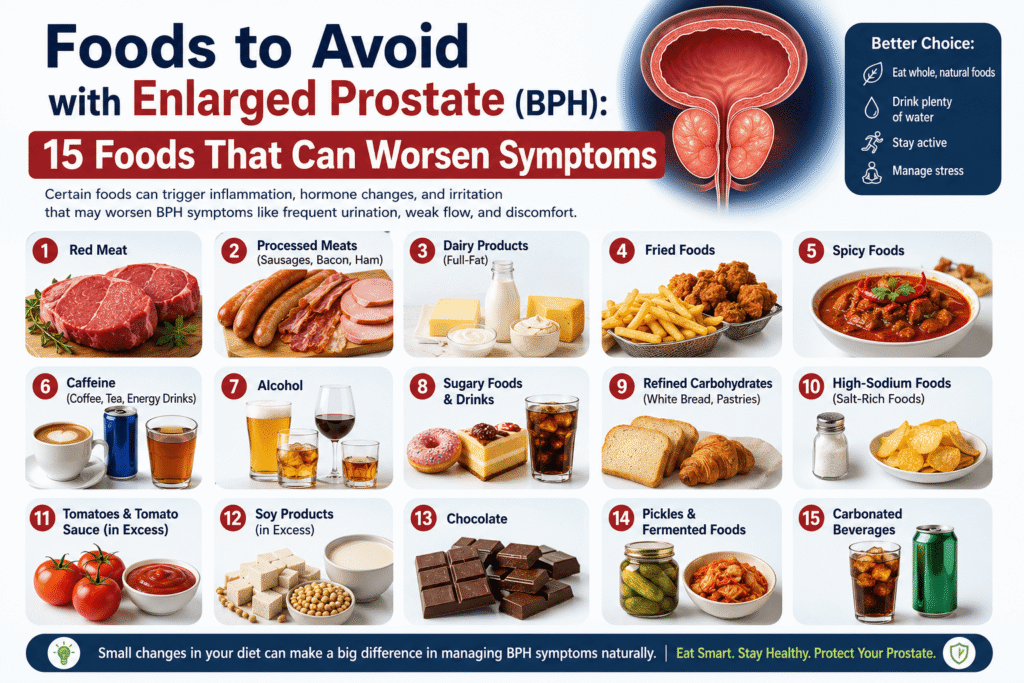
In this guide, you’ll discover the 15 foods to avoid with an enlarged prostate, understand why they can worsen symptoms, and learn healthier alternatives that support long-term prostate and bladder health.
Quick Answer
If you have an enlarged prostate (BPH), try to limit or avoid foods and drinks that may irritate your bladder or increase inflammation.
These include:
- Caffeine
- Alcohol
- Spicy foods
- Processed meats
- Fried foods
- High-fat dairy products
- Sugary beverages
- Artificial sweeteners
- Excess salt
- Refined carbohydrates
- Carbonated drinks
- Fast food
- Red meat (in excess)
- Chocolate
- Energy drinks
Choosing a balanced diet rich in vegetables, fruits, whole grains, healthy fats, lean proteins, and adequate hydration can help improve urinary symptoms and support overall prostate health.
Foods to Avoid with Enlarged Prostate: Why Diet Matters
Although BPH is primarily caused by age-related hormonal changes and prostate enlargement, your daily diet can significantly influence how severe your symptoms become.
Certain foods may:
- Irritate the bladder lining
- Increase urinary urgency
- Trigger frequent urination
- Increase inflammation throughout the body
- Promote weight gain and metabolic problems
- Affect hormone balance
- Worsen nighttime urination (Nocturia)
A healthy diet cannot shrink the prostate, but it can reduce symptom severity and improve your quality of life. Combined with regular exercise, maintaining a healthy weight, and following your urologist’s advice, good nutrition plays an important role in managing BPH.
How Certain Foods Can Worsen Enlarged Prostate Symptoms
Some foods and beverages affect the urinary system in different ways.
For example:
- Caffeine acts as a diuretic, causing the bladder to fill more quickly.
- Alcohol increases urine production and may irritate the bladder.
- Highly processed foods promote inflammation.
- Sugary foods contribute to obesity and insulin resistance, both of which have been associated with more severe BPH symptoms.
- Excess sodium can increase fluid retention and may worsen urinary frequency in some men.
Understanding these triggers allows you to make smarter dietary choices that support both bladder function and prostate health.
15 Foods to Avoid with Enlarged Prostate
1. Caffeinated Drinks
Coffee, strong tea, energy drinks, and many soft drinks contain caffeine, which stimulates the bladder and increases urine production.
Why Avoid It?
Caffeine can:
- Increase urinary frequency
- Trigger urgency
- Worsen nighttime urination
- Increase bladder irritation
Many men notice improved urinary control after reducing caffeine intake, particularly in the evening.
Better Alternatives
- Herbal tea
- Warm water with lemon
- Decaffeinated coffee
- Coconut water (without added sugar)
2. Alcohol
Beer, wine, whiskey, vodka, and other alcoholic beverages can worsen BPH symptoms by increasing urine production and reducing bladder control.
Why Avoid It?
Alcohol may:
- Increase nighttime urination
- Dehydrate the body
- Irritate the bladder
- Reduce sleep quality due to frequent bathroom visits
Limiting alcohol consumption often leads to noticeable improvements in urinary symptoms.
3. Spicy Foods
Spicy curries, hot peppers, chilli sauces, and heavily seasoned foods may irritate the bladder in sensitive individuals.
Why Avoid Them?
Very spicy foods can:
- Increase urinary urgency
- Trigger bladder discomfort
- Worsen burning sensations during urination in some men
Not everyone with BPH reacts the same way, but if you notice worsening symptoms after eating spicy foods, reducing them may help.
4. Fried Foods
French fries, fried chicken, pakoras, samosas, chips, and other deep-fried foods are often high in unhealthy fats and calories.
Why Avoid Them?
Fried foods may:
- Promote inflammation
- Increase body weight
- Raise cholesterol levels
- Negatively affect overall prostate health
Replacing fried foods with grilled, baked, or steamed options supports better long-term health.
5. Processed Meats
Processed meats such as sausages, bacon, salami, ham, hot dogs, and packaged deli meats are often high in sodium, preservatives, and saturated fats.
Why Avoid Them?
Regular consumption of processed meats may:
- Increase inflammation
- Contribute to obesity
- Raise cardiovascular risk
- Potentially worsen urinary symptoms associated with BPH
Healthier Choices
Choose:
- Grilled chicken
- Fish
- Skinless turkey
- Lentils
- Chickpeas
- Kidney beans
- Tofu
These protein sources provide essential nutrients while supporting better prostate and overall health.
6. High-Fat Dairy Products
Whole milk, full-fat cheese, butter, cream, and ice cream contain high amounts of saturated fat. While dairy products can be part of a balanced diet, consuming excessive high-fat dairy may contribute to inflammation and weight gain, which can worsen BPH symptoms in some men.
Why Avoid Them?
High-fat dairy products may:
- Increase inflammation
- Contribute to obesity
- Worsen urinary symptoms in some individuals
- Affect overall prostate health
Better Alternatives
Choose:
- Low-fat milk
- Greek yogurt
- Cottage cheese
- Unsweetened almond milk
- Soy milk (if suitable for your diet)
7. Sugary Foods and Desserts
Cakes, pastries, candies, cookies, chocolates, donuts, and other sugary snacks may increase blood sugar levels and contribute to obesity.
Why Avoid Them?
Excess sugar may:
- Increase inflammation
- Promote weight gain
- Raise the risk of diabetes
- Worsen urinary symptoms associated with BPH
Better Alternatives
Instead of processed sweets, choose:
- Fresh fruits
- Dates (in moderation)
- Unsweetened yogurt
- Nuts
- Homemade fruit smoothies without added sugar
8. Salty Foods
Packaged snacks, instant noodles, pickles, chips, canned soups, processed sauces, and fast food often contain high amounts of sodium.
Why Avoid Them?
Too much salt can:
- Increase water retention
- Raise blood pressure
- Increase thirst
- Lead to more frequent urination
Reducing sodium intake benefits both prostate health and heart health.
9. Red Meat (Excess Consumption)
Beef, lamb, goat meat, and pork are excellent protein sources, but eating large amounts of red meat regularly may increase inflammation and reduce the intake of healthier foods.
Why Avoid It?
Excess red meat may:
- Increase saturated fat intake
- Promote inflammation
- Contribute to obesity
- Negatively affect overall health
Better Protein Sources
Choose:
- Fish
- Skinless chicken
- Eggs
- Lentils
- Beans
- Soy products
10. Carbonated Soft Drinks
Soft drinks and sodas often contain sugar, caffeine, and artificial additives.
Why Avoid Them?
These beverages may:
- Irritate the bladder
- Increase urinary urgency
- Promote obesity
- Increase blood sugar levels
Better Drinks
- Plain water
- Lemon water
- Herbal tea
- Coconut water
- Infused water with cucumber or mint
11. Fast Food
Burgers, pizzas, fried chicken, French fries, and other fast foods are usually high in unhealthy fats, refined carbohydrates, sodium, and calories.
Why Avoid It?
Regular fast-food consumption may:
- Increase inflammation
- Promote weight gain
- Increase cholesterol
- Worsen BPH symptoms over time
Preparing home-cooked meals using fresh ingredients is a healthier option.
12. Artificial Sweeteners
Some people notice worsening bladder irritation after consuming products containing artificial sweeteners such as aspartame or saccharin.
Why Avoid Them?
Artificial sweeteners may:
- Irritate the bladder in sensitive individuals
- Increase urinary urgency
- Trigger bladder discomfort
If you notice symptoms after consuming diet drinks or sugar-free products, reducing them may help.
13. Chocolate
Chocolate contains caffeine and compounds that may stimulate the bladder, especially dark chocolate and chocolate-based drinks.
Why Avoid It?
Chocolate may:
- Increase bladder activity
- Trigger urinary urgency
- Worsen nighttime urination in some men
Enjoy chocolate occasionally and in moderation if it does not worsen your symptoms.
14. Energy Drinks
Energy drinks contain high levels of caffeine, sugar, and stimulants.
Why Avoid Them?
They can:
- Increase urine production
- Irritate the bladder
- Raise blood pressure
- Disrupt sleep
- Increase nighttime urination
Energy drinks are among the least suitable beverages for men with BPH.
15. Refined Carbohydrates
White bread, white rice, refined flour products, sugary breakfast cereals, and pastries have a high glycemic index.
Why Avoid Them?
Refined carbohydrates may:
- Raise blood sugar rapidly
- Promote weight gain
- Increase inflammation
- Contribute to metabolic syndrome
Better Choices
Choose:
- Brown rice
- Whole wheat bread
- Oats
- Quinoa
- Millets
- Whole grains
Foods That Help Improve BPH Symptoms
Instead of focusing only on foods to avoid, include foods that support prostate health.
These include:
- Tomatoes (rich in lycopene)
- Pumpkin seeds
- Walnuts
- Almonds
- Fatty fish (salmon, sardines)
- Green leafy vegetables
- Broccoli
- Berries
- Citrus fruits
- Whole grains
- Lentils
- Beans
- Olive oil
- Avocados
- Green tea (in moderation and preferably caffeine-free if sensitive)
A balanced diet rich in fiber, vitamins, minerals, and healthy fats supports overall urinary and prostate health.
Indian Diet After Avoiding Foods to Avoid with Enlarged Prostate
Simple dietary changes can make a significant difference.
✔ Eat more seasonal vegetables.
✔ Include fresh fruits daily.
✔ Choose whole wheat rotis instead of refined flour.
✔ Eat dal, rajma, and chana regularly.
✔ Limit fried snacks such as samosas, pakoras, and namkeen.
✔ Reduce sugary sweets and desserts.
✔ Drink enough water during the day but reduce fluid intake 2–3 hours before bedtime if nighttime urination is a problem.
✔ Maintain a healthy body weight through regular exercise and a balanced diet.
Sample One-Day Meal Plan for BPH
Breakfast
- Vegetable oats
- Low-fat yogurt
- Apple
- Herbal tea
Mid-Morning Snack
- Handful of almonds
- Coconut water
Lunch
- Whole wheat roti
- Dal
- Mixed vegetables
- Cucumber salad
Evening Snack
- Roasted chana
- Green tea (decaffeinated if sensitive)
Dinner
- Grilled fish or paneer
- Steamed vegetables
- Brown rice
Before Bed
- Warm low-fat milk (optional, if well tolerated)
Best Drinks for Men with BPH
Choose:
- Water
- Coconut water
- Herbal tea
- Lemon water
- Fresh vegetable juice (without added sugar)
Limit:
- Coffee
- Alcohol
- Soft drinks
- Energy drinks
- Sugary beverages
What Does Research Say About Diet and BPH?
Scientific studies suggest that while diet cannot cure Benign Prostatic Hyperplasia (BPH), healthy eating habits may help reduce urinary symptoms, support bladder function, and improve overall prostate health. Researchers have found that men who consume diets rich in vegetables, fruits, whole grains, legumes, and healthy fats tend to have better metabolic health, which may positively influence BPH symptoms.
Conversely, diets high in saturated fats, processed foods, excessive sugar, and sodium are associated with obesity, chronic inflammation, and metabolic syndrome—conditions that can contribute to worsening lower urinary tract symptoms (LUTS).
Although more research is ongoing, healthcare professionals generally recommend a heart-healthy, balanced diet for men with an enlarged prostate because what benefits the heart often supports prostate health as well.
Lifestyle Changes That Can Improve BPH Symptoms
Diet works best when combined with healthy lifestyle habits. Making a few simple changes can significantly improve your urinary symptoms and overall quality of life.
1. Exercise Regularly
Regular physical activity helps maintain a healthy weight, improves blood circulation, and supports bladder function.
Aim for at least 150 minutes of moderate exercise per week, including:
- Walking
- Kegel exercises
- Pelvic floor exercises
- Yoga
- Swimming
- Stretching
Regular exercise complements a healthy diet and may reduce the severity of BPH symptoms.
2. Maintain a Healthy Weight
Being overweight or obese increases pressure on the bladder and is linked to more severe urinary symptoms.
Losing even a small amount of excess weight may help:
- Improve urine flow
- Reduce urinary urgency
- Decrease nighttime urination
- Improve bladder emptying
A combination of healthy eating and regular exercise is the most effective way to achieve sustainable weight loss.
3. Stay Hydrated—But Drink Smart
Water is essential for overall health, but the timing of fluid intake also matters.
Tips:
- Drink adequate water throughout the day.
- Avoid drinking large amounts of fluids just before bedtime.
- Reduce caffeine and alcohol, especially in the evening.
- Sip water gradually instead of drinking large quantities at once.
This simple habit may reduce nighttime urination (nocturia).
4. Avoid Smoking
Smoking has been linked to bladder irritation, poor circulation, and increased inflammation throughout the body. Quitting smoking benefits not only prostate health but also heart and lung health.
5. Manage Stress
Stress and anxiety can increase muscle tension around the bladder and worsen urinary urgency and frequency.
Helpful stress-management techniques include:
- Meditation
- Deep breathing exercises
- Yoga
- Mindfulness
- Adequate sleep
- Spending time outdoors
Common Diet Mistakes Men with BPH Should Avoid
Many men unknowingly make dietary choices that can aggravate their symptoms.
Drinking Too Much Coffee
Several cups of coffee each day may increase urinary urgency and frequency.
Eating Late at Night
Heavy dinners and late-night snacks can contribute to nighttime urination and disrupt sleep.
Consuming Too Much Salt
High sodium intake may increase thirst and lead to more frequent urination.
Skipping Fruits and Vegetables
A diet lacking fiber and antioxidants may negatively affect overall health and weight management.
Choosing Processed Foods Every Day
Fast food, packaged snacks, processed meats, and sugary drinks are often high in calories, unhealthy fats, and sodium, making them poor choices for men with BPH.
Ignoring Weight Gain
Even gradual weight gain can increase pressure on the bladder and worsen urinary symptoms over time.
Can Weight Loss Improve Enlarged Prostate Symptoms?
Weight loss does not shrink the prostate gland, but it can improve many symptoms associated with BPH.
Maintaining a healthy weight may help:
- Improve bladder emptying
- Reduce urinary urgency
- Lower inflammation
- Improve sleep quality
- Increase energy levels
- Reduce the risk of diabetes and heart disease
Combining a balanced diet with regular exercise offers the best long-term results.
When Should You See a Urologist?
Lifestyle changes and dietary improvements can help manage mild symptoms, but medical evaluation is important if your symptoms become persistent or severe.
Consult a urologist if you experience:
- Difficulty starting urination
- Weak urine stream
- Frequent urination during the day or night
- Sudden urinary urgency
- Incomplete bladder emptying
- Blood in the urine
- Pain during urination
- Recurrent urinary tract infections
- Inability to urinate (urinary retention)
Early diagnosis allows for timely treatment and helps prevent complications.
Medical Treatments for Enlarged Prostate (BPH)
If dietary changes and lifestyle modifications are not enough, several effective treatment options are available depending on the size of the prostate, symptom severity, and overall health.
Medications
Doctors may prescribe medications to:
- Relax the muscles around the prostate.
- Reduce prostate enlargement over time.
- Improve urinary flow.
Minimally Invasive Treatments
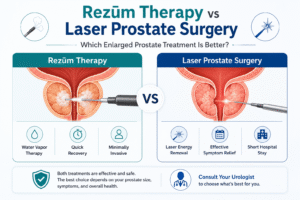
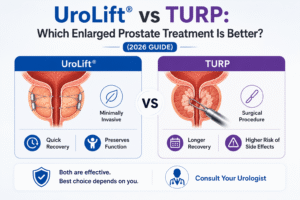
Modern minimally invasive procedures can relieve symptoms while reducing recovery time compared with traditional surgery.
These include:
These treatments are suitable for selected patients after evaluation by a urologist.
Surgical Treatments
For moderate to severe BPH, surgery may be recommended.
Common procedures include:
- Laser Prostate Surgery
- TURP (Transurethral Resection of the Prostate)
- Aquablation Therapy
The choice of treatment depends on your symptoms, prostate size, age, medical history, and personal preferences.
Diet Alone Is Not Enough
Although eating the right foods and avoiding bladder irritants can improve urinary symptoms, diet should not be considered a replacement for medical treatment.
A comprehensive treatment plan may include:
- Healthy diet
- Regular exercise
- Weight management
- Medication (when needed)
- Minimally invasive therapy
- Surgery for advanced cases
Working closely with a qualified urologist ensures you receive the most appropriate treatment based on your individual condition.
FAQs About Foods to Avoid with Enlarged Prostate
1. What foods should men with an enlarged prostate avoid?
Men with an enlarged prostate should limit or avoid caffeine, alcohol, spicy foods, processed meats, fried foods, sugary drinks, high-fat dairy products, excess salt, carbonated beverages, energy drinks, and refined carbohydrates. These foods may worsen urinary symptoms and irritate the bladder.
2. Can diet improve enlarged prostate symptoms?
Yes. While diet cannot shrink an enlarged prostate, eating a healthy, balanced diet may reduce urinary frequency, urgency, inflammation, and improve overall bladder function.
3. Is coffee bad for BPH?
Coffee contains caffeine, which acts as a diuretic and bladder stimulant. Drinking large amounts of coffee may increase urinary urgency, frequency, and nighttime urination in some men with BPH.
4. Can alcohol worsen BPH symptoms?
Yes. Alcohol increases urine production and may irritate the bladder, leading to more frequent urination, urgency, and disrupted sleep.
5. Are spicy foods harmful for an enlarged prostate?
Spicy foods may irritate the bladder in some men and worsen urinary urgency or discomfort. If you notice symptoms after eating spicy meals, reducing them may help.
6. What foods are good for prostate health?
Foods rich in antioxidants, fiber, and healthy fats are beneficial. These include tomatoes, leafy green vegetables, berries, pumpkin seeds, walnuts, whole grains, legumes, and fatty fish.
7. Is dairy bad for BPH?
High-fat dairy products may contribute to inflammation and weight gain when consumed excessively. Choosing low-fat dairy options is generally a healthier choice.
8. Can losing weight help BPH symptoms?
Yes. Maintaining a healthy weight can reduce pressure on the bladder, improve urinary symptoms, and support overall prostate health.
9. Should I stop drinking water if I have BPH?
No. Staying hydrated is important. Instead of reducing water intake, avoid drinking large amounts of fluids close to bedtime to reduce nighttime urination.
10. What is the best diet for an enlarged prostate?
A diet rich in fruits, vegetables, whole grains, lean protein, legumes, healthy fats, and plenty of water is considered one of the best dietary approaches for men with BPH.
11. Can food shrink an enlarged prostate?
No. Food cannot shrink the prostate gland, but healthy eating habits may reduce inflammation, improve bladder health, and help manage urinary symptoms.
12. When should I see a urologist for BPH?
Consult a urologist if you experience severe urinary symptoms, blood in the urine, urinary retention, recurrent urinary tract infections, or symptoms that interfere with your daily life.
Key Takeaways
Diet plays an important role in managing the symptoms of Benign Prostatic Hyperplasia (BPH). Limiting foods that irritate the bladder—such as caffeine, alcohol, processed foods, fried foods, and sugary drinks—may help reduce urinary urgency, frequency, and nighttime urination.
A balanced diet rich in vegetables, fruits, whole grains, lean protein, and healthy fats, combined with regular exercise and maintaining a healthy weight, supports better prostate and bladder health. However, if symptoms persist or worsen, consult a qualified urologist for proper evaluation and treatment.
Conclusion
Choosing the right foods can make a meaningful difference in managing the symptoms of an enlarged prostate. While avoiding bladder irritants and following a healthy diet cannot cure BPH, these lifestyle changes may improve urinary function, reduce discomfort, and enhance your overall quality of life.
If dietary changes alone are not enough, effective treatment options—including medications, minimally invasive procedures, and surgery—are available. Early consultation with an experienced urologist can help you find the treatment that best suits your condition.
Understanding the foods to avoid with enlarged prostate can make a significant difference in managing BPH symptoms. By reducing bladder irritants such as caffeine, alcohol, fried foods, processed meats, and sugary drinks, many men experience better urinary control. Combining the right diet with regular exercise and medical guidance offers the best approach to long-term prostate health.
Experiencing frequent urination, weak urine flow, or other symptoms of an enlarged prostate?
Consult Dr. Priyaddarshi Ranjan, an experienced urologist, for a comprehensive evaluation and a personalized treatment plan. Early diagnosis and timely treatment can help you regain comfort, confidence, and a better quality of life.